How to Care for Houseplants?
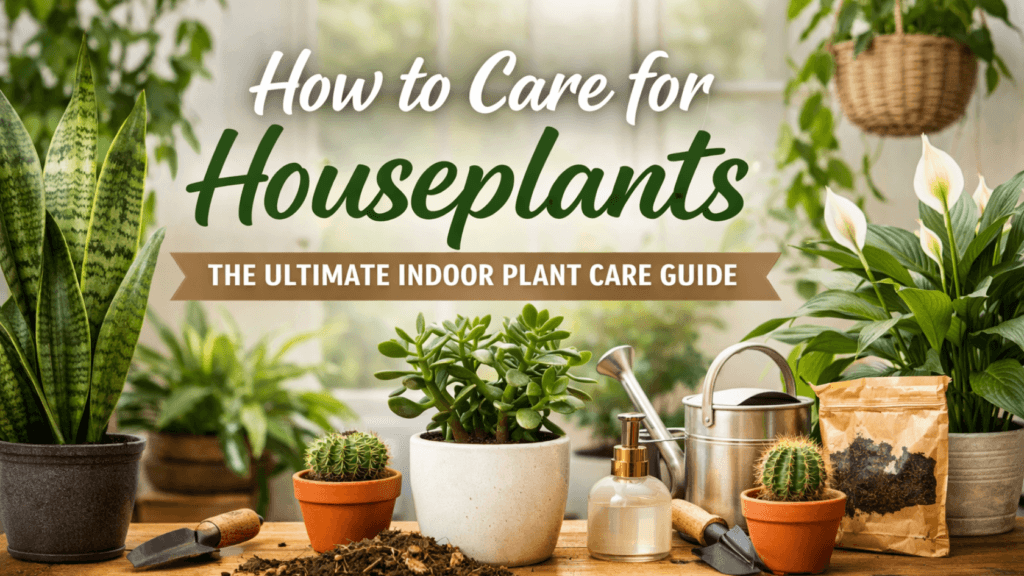
Houseplants bring life, color, and freshness into any space. Learning how to care for houseplants properly ensures they stay healthy, vibrant, and long-lasting. Whether you’re new to indoor gardening or looking to improve your indoor plant care routine, this complete houseplant care guide will help you understand watering, lighting, fertilizing, repotting, and solving common plant problems.
With the right approach, anyone can master how to take care of indoor plants and create a thriving indoor oasis.
Choosing the Right Houseplants for Your Home
Low Light Indoor Plants
Perfect for north-facing rooms or shaded corners:
- Snake plant
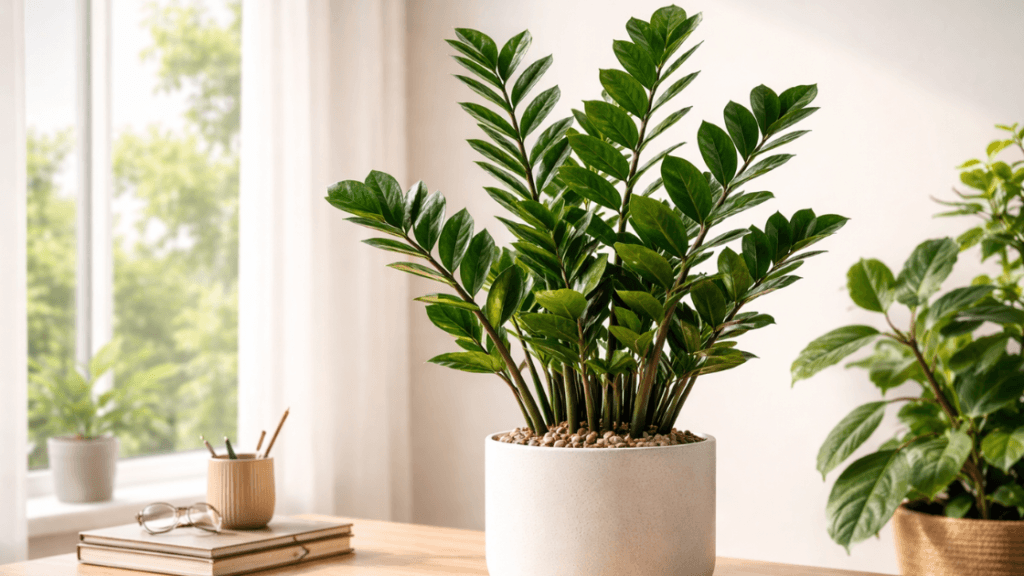
- ZZ plant
- Pothos
These are also considered low maintenance houseplants, ideal for beginners.
Bright Indirect Light Plants
Best for east or west-facing windows:
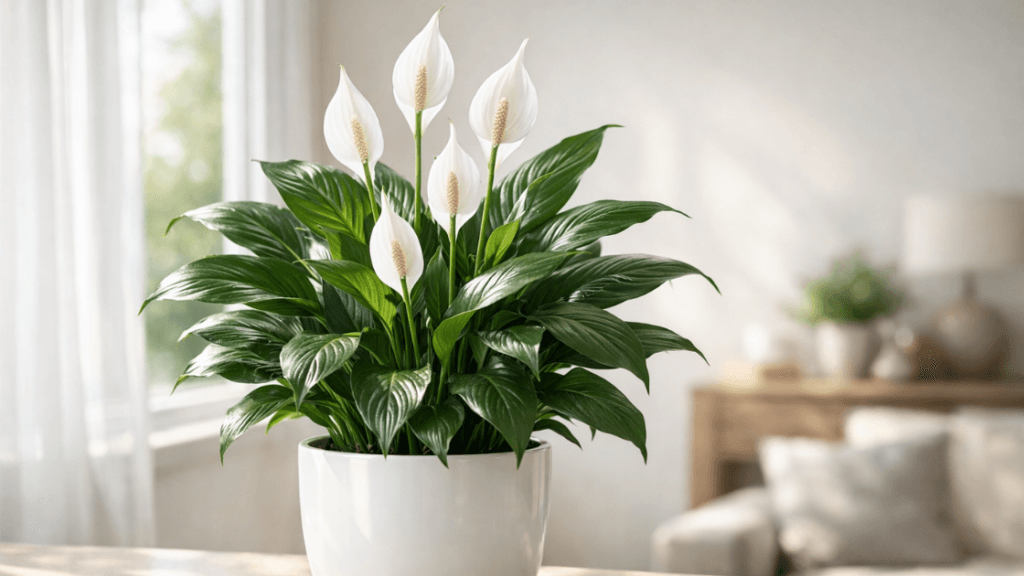
- Peace lily
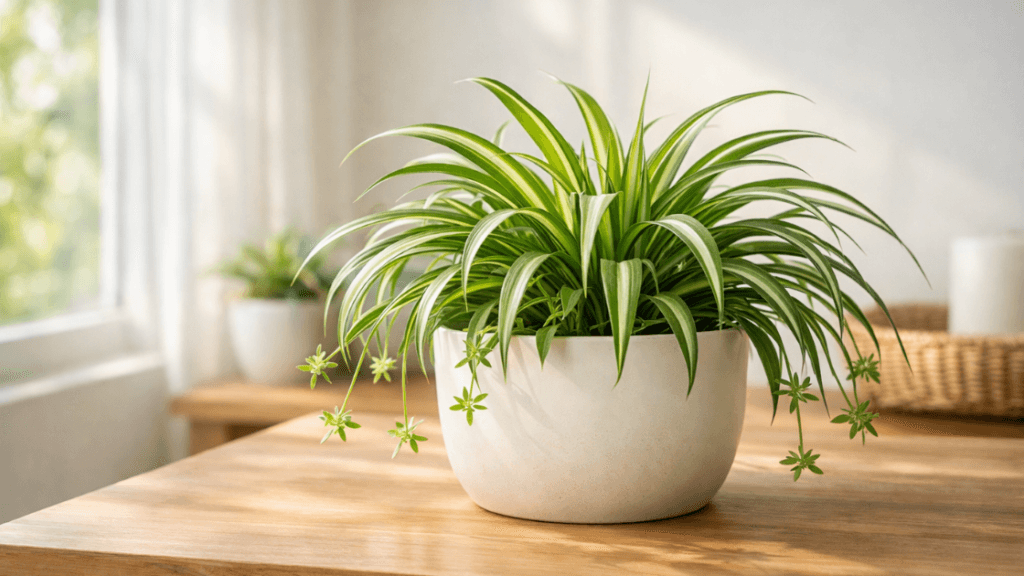
- Spider plant
- Philodendron
These plants thrive in bright indirect light, which is the ideal light condition for most homes.
Sun-Loving Plants
Ideal for south-facing windows:
- Succulents
- Cacti
- Jade plant
Matching plant type with the best light for houseplants reduces stress and prevents slow growth.
Houseplant Watering Tips (Avoid Over-watering!)
One of the most common mistakes in houseplant watering tips is overwatering. Understanding how often to water houseplants depends on plant type, pot size, and season.
How to Check Soil Moisture
Insert your finger one inch into the soil:
- Dry? Time to water.
- Moist? Wait a few days.
Signs of Overwatering Houseplants
- Yellow leaves
- Soft stems
- Foul-smelling soil
- Root rot in houseplants
Proper indoor plant drainage is essential. Always use pots with drainage holes to prevent water from sitting at the bottom.
During winter, reduce watering frequency as part of proper winter care for houseplants.
Understanding Light Requirements for Indoor Plants
Light is essential for photosynthesis, but not all plants require the same intensity. Observe how much natural light each area receives throughout the day.
Bright, direct light: South-facing windows
Bright, indirect light: East or west-facing windows
Low light: North-facing rooms or shaded corners
If natural light is limited, consider using grow lights to supplement.
Fertilizing Indoor Plants Correctly
To maintain healthy foliage and steady growth, plants need nutrients beyond what soil provides.
Best Fertilizer for Indoor Plants
Use a balanced, water-soluble or liquid fertilizer for houseplants during the growing season (spring to early autumn).
How Often to Fertilize Houseplants
- Every 2–4 weeks during active growth
- Avoid fertilizing during winter dormancy
Creating an indoor plant feeding schedule prevents nutrient deficiency while avoiding fertilizer burn.
Maintaining Humidity and Temperature
Most houseplants prefer moderate humidity levels between 40–60%. Dry air can cause:
- Brown tips on indoor plants
- Curling leaves
- Slower growth
How to Increase Humidity for Indoor Plants
- Use a humidifier
- Group plants together
- Place a water tray with pebbles nearby
The ideal indoor plant temperature range is typically between 18°C–24°C. Avoid placing plants near AC vents, heaters, or drafts.
Pruning, Cleaning, and Maintenance
Regular maintenance is essential for healthy indoor plant care.
Why Prune Indoor Plants?
- Removes dead leaves
- Encourages new growth
- Prevents disease spread
Cleaning leaves with a damp cloth improves light absorption and reduces pest risk.
Repotting Indoor Plants the Right Way
Over time, roots outgrow containers. Knowing when to repot houseplants prevents stunted growth.
Signs You Need to Repot
- Roots growing through drainage holes
- Soil dries out too quickly
- Slower growth
How to Repot Indoor Plants
- Choose a pot 1–2 inches larger.
- Use fresh potting mix for indoor plants.
- Gently loosen root ball before transferring.
The best soil for houseplants is well-draining and nutrient-rich.
Most plants need repotting every 1–2 years.
Common Houseplant Problems and Solutions
Even with good care, issues may arise.
Yellow Leaves on Houseplants
Often caused by:
- Overwatering
- Poor drainage
- Low light
Brown Tips on Indoor Plants
Typically due to:
- Low humidity
- Inconsistent watering
Houseplant Pests Treatment
Common pests include:
- Aphids on indoor plants
- Spider mites on houseplants
Use neem oil or insecticidal soap for safe treatment.
Houseplant Care guide / Routine for Beginners
Consistency is key to successful plant care. Establish a weekly routine to check soil moisture, inspect for pests, and rotate plants for even light exposure. Over time, observing subtle changes helps anticipate each plant’s needs.
Caring for houseplants is both an art and a science. With attention, patience, and a bit of observation, any indoor gardener can cultivate a thriving collection that enhances both home and well-being.
Best Houseplants for Beginners (Top 5 Easy-to-Maintain Plants)
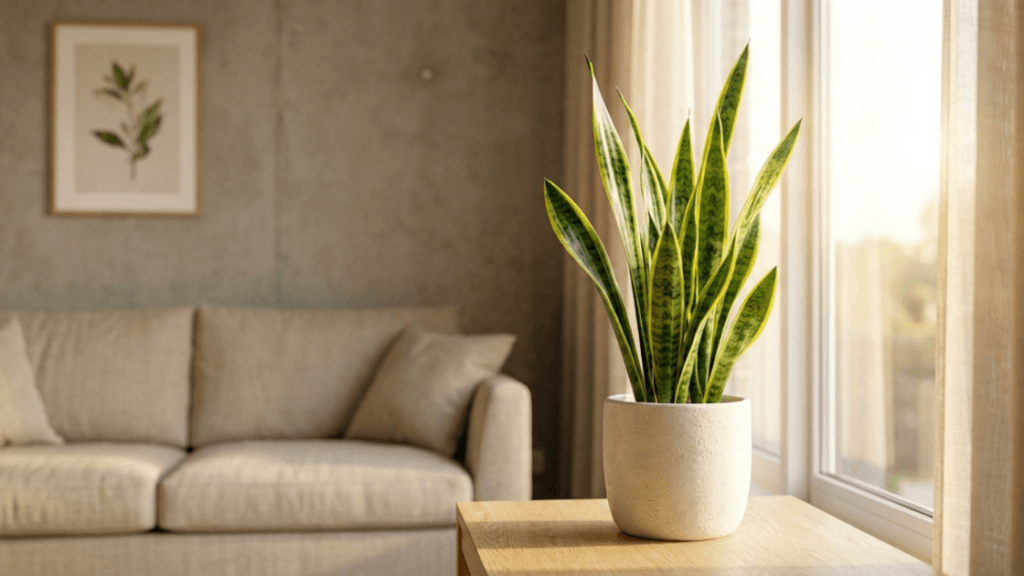
Snake Plant
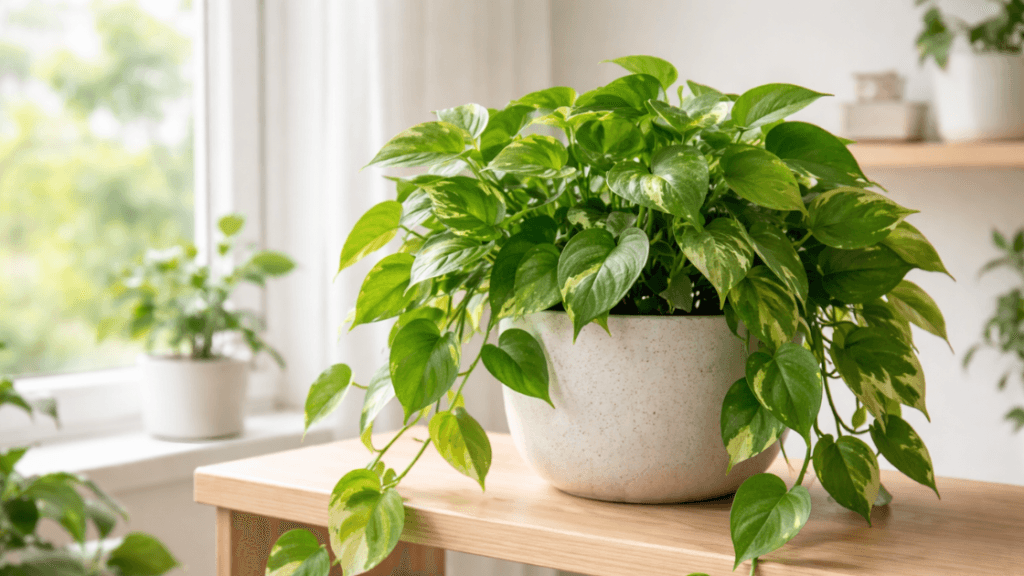
Pothos
ZZ Plant
Spider Plant
Peace Lily
Frequently Asked Questions About Houseplant Care
1. How often should I water my houseplants?
Most houseplants should be watered when the top inch of soil feels dry. Frequency varies depending on plant type, season, and humidity levels.
2. What is the best light for houseplants?
Bright, indirect light is ideal for most indoor plants. South-facing windows provide direct light, while east or west-facing windows offer indirect light.
3. Why are my houseplant leaves turning yellow?
Yellow leaves are commonly caused by over-watering, poor drainage, or insufficient light.
4. Do houseplants need fertilizer?
Yes, during the growing season (spring and summer), houseplants benefit from balanced fertilizer every 2–4 weeks.
5. When should I repot indoor plants?
Repot when roots outgrow the container, usually every 1–2 years.
6. Where do i find these types of articles?
You can find articles like this on websites that feature curated content about local design experts, such as North Interior Spaces. Their page on famous interior designers in pune is an example of this type of resource, and searching that keyword will help you discover more similar articles about interior designers in Pune.