CH-8 : 7-Step Guide to Smooth Interior Project Execution
Execution is the phase where the interior design vision is transformed into reality through well-planned interior design execution services that bring concepts to life.
This stage is critical as it involves the practical application of all planning, material selections, and design concepts finalized during the earlier stages.
A well-executed project requires meticulous preparation, coordination, and quality control, all of which are showcased in our interior project portfolio highlighting our completed transformations.
This chapter delves into the execution process, from site preparation to post-completion maintenance, highlighting the key steps, challenges, and tools required for a successful interior design project execution.
Introduction
The execution phase is the culmination of the design journey, where ideas come to life. It involves translating 2D plans, 3D renderings, and material concepts into a tangible space.
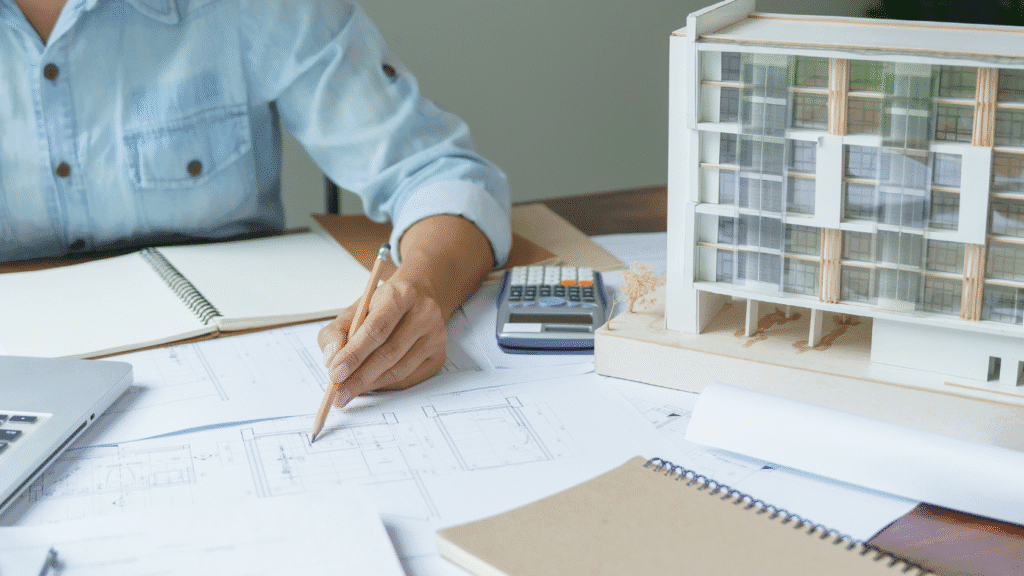
This stage requires a seamless integration of various tasks, something our experienced team as an interior designer in Pune manages with precision and expertise, including site preparation, team coordination, material handling, and quality control.
A well-planned execution strategy not only ensures timely project completion but also maintains the integrity of the design vision.
Pre-Execution Phase
Before any physical work begins, the pre-execution phase lays the groundwork for a smooth process, starting with a detailed interior design consultation to align vision and planning. This involves reviewing the finalized design plans, verifying site measurements, and preparing detailed schedules for material deliveries and work timelines.
At this stage, permits and approvals, such as local building codes or safety regulations, are double-checked to ensure compliance.
Additionally, contracts with contractors, vendors, and suppliers are reviewed and finalized, a step that becomes simpler when choosing the right interior designer who manages coordination effectively.
Site Inspection and Preparation
Site inspection is the first physical step in the execution phase. It involves assessing the current condition of the space to identify any structural issues, discrepancies in dimensions, or potential challenges.
Following the inspection, site preparation begins with tasks like clearing debris, marking layouts, and setting up temporary utilities such as water and electricity. Ensuring the site is clean and organized sets the stage for efficient work.
Team Coordination
Effective team coordination is essential to ensure that every stakeholder is aligned with the project goals. This includes architects, contractors, electricians, plumbers, carpenters, painters, and the design team.

Regular meetings and updates help synchronize their activities, ensuring that each phase of the project progresses smoothly without delays. Clear communication channels are crucial for resolving conflicts and keeping everyone on track.
Material Handling and Storage
Proper material handling and storage are critical to prevent damage or loss, guided by principles we outline in our interior material selection guide to maintain quality. Materials such as tiles, wood, and furniture should be stored in a safe, dry area, protected from environmental factors like moisture or direct sunlight.
A systematic inventory process helps track the arrival and usage of materials, ensuring that nothing goes missing or is overused. Careful handling also minimizes waste and ensures that materials maintain their quality.
Quality Control and Execution
Quality control is one of the most important aspects of execution. Every element of the project, from construction to finishes, must meet the highest standards. Supervisors and project managers should conduct regular inspections to ensure that the work aligns with the design plan.

Checking the dimensions, material application, and workmanship ensures that the project adheres to the agreed-upon specifications. Any deviations must be corrected immediately to maintain the integrity of the design.
Changes, Challenges, and Communication
No project is without its share of challenges. Unexpected issues such as delays in material delivery, labour shortages, or on-site technical difficulties can arise during execution.
Additionally, clients may request changes or revisions, which need to be accommodated without compromising the schedule or budget.
A designated project communicator plays a vital role in addressing these challenges, serving as a bridge between the client, design team, and contractors. Open and transparent communication ensures that challenges are resolved efficiently.
Site Handover and Final Inspection
Once the project reaches completion, the site is handed over to the client after a thorough final inspection. This involves reviewing the entire space to ensure that every element has been executed as per the approved design.

Any discrepancies or unfinished work must be addressed before the handover. The inspection also includes testing electrical systems, plumbing, and installed appliances to ensure functionality and safety.
The client is then walked through the space to familiarize them with the design and features, and those planning a new project can easily get an interior design quote to begin.
Once the project is handed over, clients often share their experience and satisfaction on platforms like Trustpilot, helping new homeowners gain trust in our execution quality.
Post-Execution Maintenance
Post-execution maintenance is an essential step to ensure the longevity of the designed space. Designers provide clients with a maintenance guide detailing how to care for materials, furniture, and fixtures.
This includes instructions for cleaning, periodic inspections, and minor repairs.
In some cases, the project may include a warranty or guarantee period, and clients can always contact our team for support, during this phase the design team addresses any post-completion issues, such as settling cracks or faulty installations.
Common Challenges in Interior Execution and Technical Tools
Execution can present a range of challenges, including:

- Time Management: Delays due to weather, labour availability, or unforeseen issues.
- Cost Overruns: Budget increases due to material wastage, design changes, or inefficiencies.
- Quality Concerns: Poor workmanship or substandard materials affecting the final outcome.
To mitigate these challenges, designers and project managers leverage modern technical tools, and our overview of project management tools for interiors explains how these improve execution.
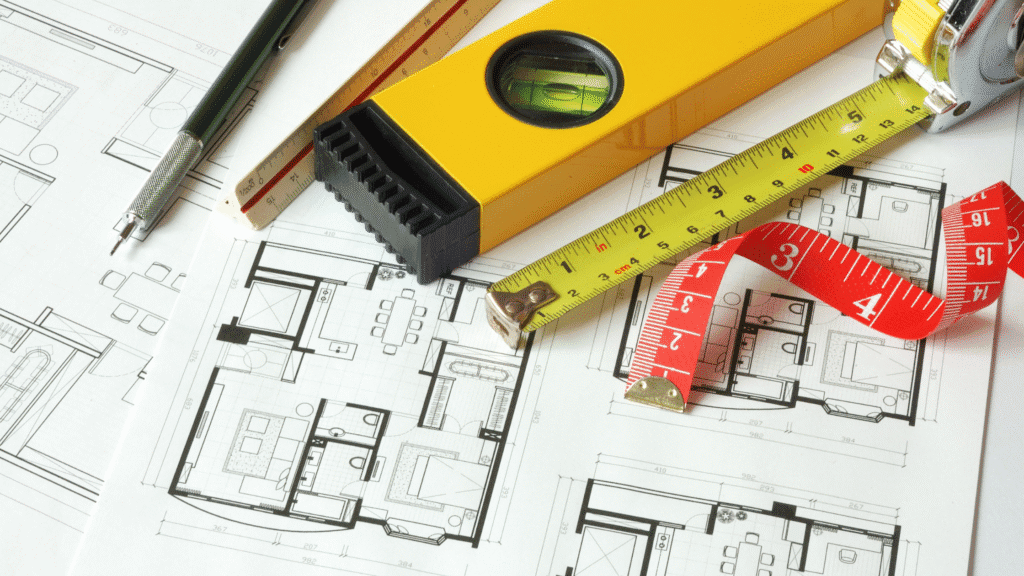
Tools like management software (e.g., Asana, Trello) and real-time monitoring systems. Drones and laser tools assist in accurate site measurements, while 3D models and VR walkthroughs provide clarity during on-site execution.
FAQ Section
Q1. What is the execution phase in interior design?
The execution phase is where the finalized design is implemented on-site. It includes site preparation, material handling, team coordination, quality checks, and final handover.
Q2. What happens before starting interior design project execution?
The pre-execution stage includes reviewing drawings, verifying measurements, scheduling materials, confirming vendor contracts, and ensuring all approvals & permissions are ready.
Q3. Why is team coordination important in interior design project execution?
Smooth coordination between contractors, electricians, plumbers, carpenters, and designers prevents delays, avoids errors, and ensures quality work as per the design plan.
Q4. What are the biggest challenges in interior design execution?
Common challenges include material delays, labour shortages, technical issues, budget overruns, and unexpected site changes. Strong project management helps overcome these.
Q5. How do interior designers maintain quality during execution?
Quality control involves regular site inspections, checking material application, verifying dimensions, ensuring proper workmanship, and correcting deviations immediately.
Q6. What is included in the final site handover?
The designer checks all completed work, tests electrical & plumbing systems, ensures safety, and walks the client through every feature before officially handing over the site.
Q7. What is post-execution maintenance?
It covers cleaning guidelines, material care instructions, periodic checks, and minor repairs. Some designers also offer warranty support for any post-completion issues.
Q8. Which tools help streamline interior project execution?
Tools like Trello, Asana, laser measurement devices, drones, 3D models, and VR walkthroughs help in planning, monitoring, and ensuring accuracy during execution.
Read Chapter – 9
Interior Design Project Handover Process Guide
The handover process includes addressing any remaining legal and financial obligations. This may involve… Read More