Post Execution Maintenance is an important part of making sure an interior space stays comfortable, functional, and attractive for many years. While the design work and handover may feel like the finish line, the real life of the space begins after that. Over time, materials wear out, systems get used every day, and people interact with the space in different ways. Without regular care and attention, even the most beautiful interiors can start to look dull or stop working as they should. Proper maintenance helps protect the effort, time, and investment put into the design, keeping the space welcoming and enjoyable for a long time.
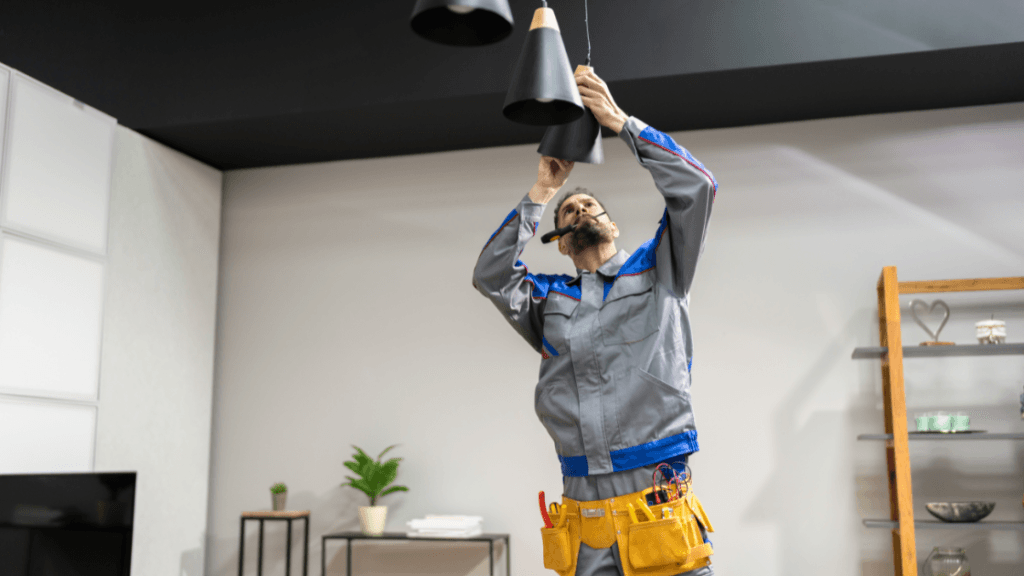
This chapter is designed to be a simple and practical guide to maintenance and preventive maintenance. It focuses on helping interiors last longer, work efficiently, and remain comfortable for the people using them. It explains easy-to-follow best practices, clear responsibilities, and essential systems that help keep spaces safe, functional, and visually appealing long after the project is completed.
Importance of Post-Execution Maintenance
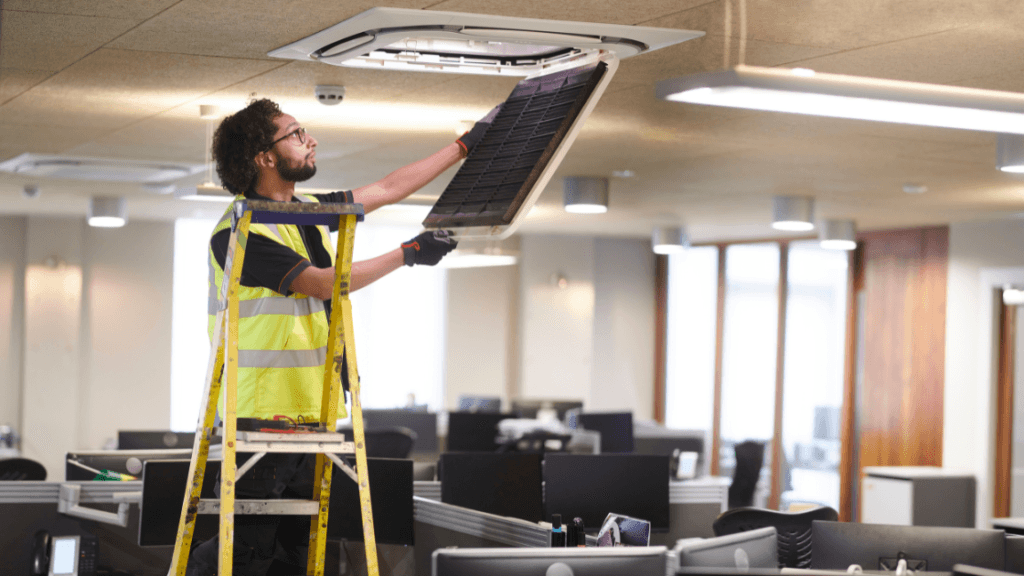
Post execution maintenance is very important for keeping an interior space strong, safe, and well-maintained over time. Wear and tear is natural, especially in homes and commercial spaces where people move around a lot. Preventive maintenance helps spot small problems early and fix them before they turn into expensive repairs or safety issues.
Regular periodic maintenance takes care of surfaces, furniture, fixtures, and installed systems, helping them last longer and work properly. Whether it is flooring, wall finishes, lighting, or climate control systems, every part of the interior needs planned care to stay in good condition.
More than just physical upkeep, post execution maintenance also builds trust between designers and clients. It shows that the designer cares about the space even after handover and stands by the quality of their work. When clients understand the need of preventive maintenance, they are better able to protect their investment and enjoy a comfortable, functional, and beautiful space for many years.
Main Guide for Post Execution Maintenance
A well-organized maintenance guide is the base of proper care after a project is completed. It works like a simple handbook for clients, explaining easy and practical steps for daily care and long-term maintenance. This guide helps clients understand how to look after their space correctly and keep it in good condition for years to come.
The main guide for post-execution maintenance includes:
- Cleaning instructions for materials, furniture, fixtures, and finishes.
- Minor repair guidelines, such as paint touch-ups, laminate edge repairs, and hardware tightening.
- Maintenance schedules for HVAC, plumbing, electrical, and lighting systems.
- Recommendations for high-traffic zones, focusing on durability and protection.
Providing this guide helps clients develop planned preventive maintenance habits instead of waiting for problems to occur. It reduces misuse, avoids accidental damage, and makes day-to-day care easier. As a result, the space stays true to the original design and continues to look and function the way it was intended.
Warranties and Guarantees

Warranties and guarantees are an important part of post execution maintenance documents. They give clients confidence that if there are any problems with materials or workmanship, those issues will be taken care of within a specific period of time.
Most warranties apply to:
- Modular furniture and fittings
- Electrical and lighting fixtures
- Appliances and hardware
- Custom-installed elements
Clear and simple warranty documents help clients understand what is covered, how to raise a claim, and any limits involved. Service guarantees give extra support by making sure installation-related problems are fixed quickly and smoothly.
From a maintenance point of view, warranties are most effective when combined with regular preventive maintenance service. Poor care or incorrect use can cancel warranty benefits. When clients understand this connection, they are more likely to use the space responsibly and follow regular maintenance schedules.
Periodic Inspections and Servicing
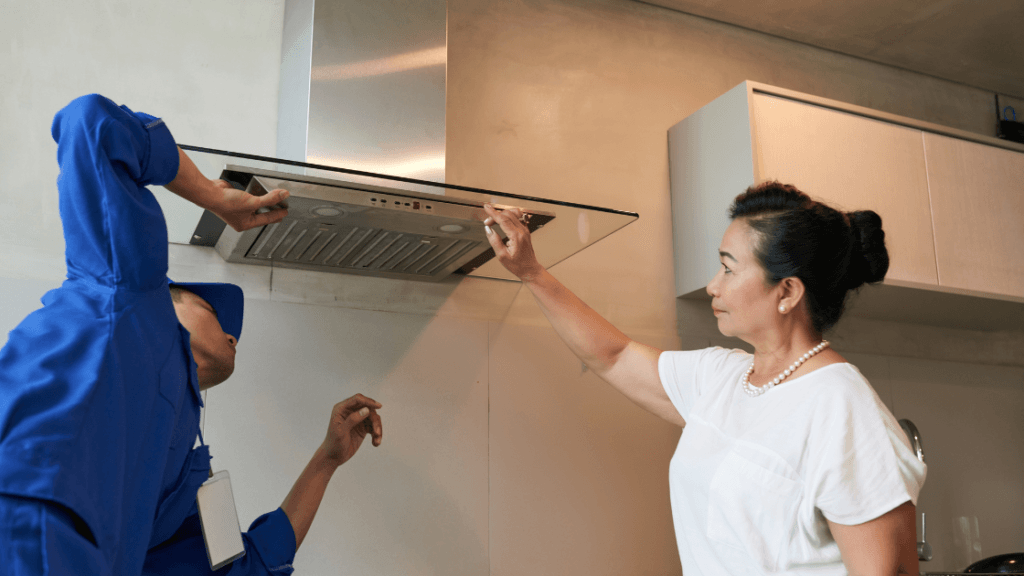
Routine inspections are a key part of effective periodic maintenance. They help spot early signs of damage, poor performance, or safety risks before they become serious problems.
Designers should suggest regular inspections for:
- Plumbing systems to check for leaks, pressure problems, or blockages.
- Electrical systems to make sure everything is safe, balanced, and working properly.
- HVAC systems to ensure good energy efficiency and readiness for different seasons.
Regular checks keep systems running smoothly and help avoid unexpected breakdowns.
Annual or bi-annual inspections, based on how complex the system is, greatly reduce the chances of sudden breakdowns. Regular servicing of air conditioners, water heaters, exhaust systems, and lighting controls helps them work efficiently and saves energy.
This planned approach supports long-term maintenance and preventive maintenance, reducing the need for urgent repairs and helping the space remain reliable and well-maintained over time.
Repair and Replacement Services
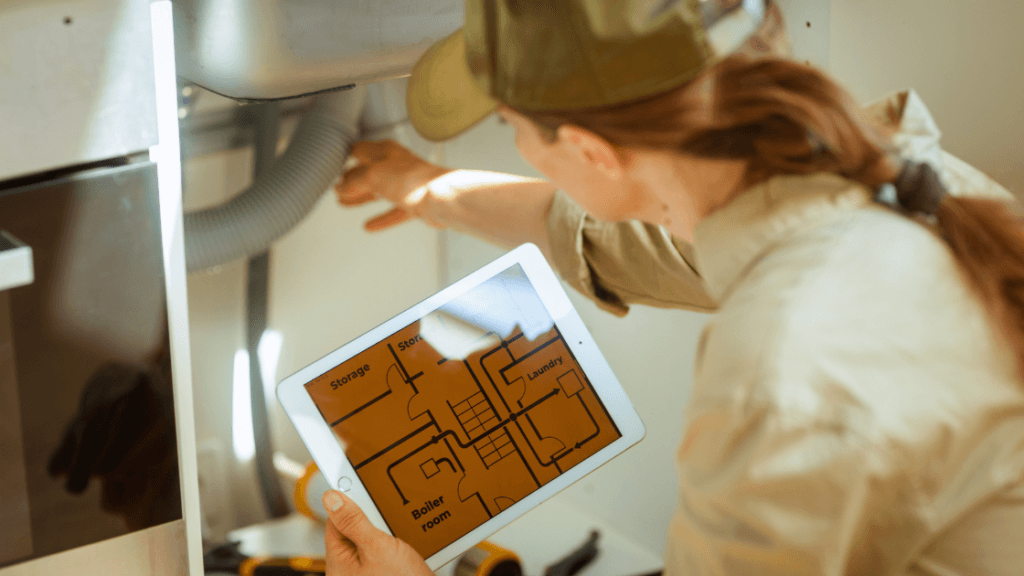
Even with proper care, some parts of an interior will need repair or replacement over time. Furniture fabrics can fade, surfaces may get scratched, and appliances can stop working due to regular daily use.
Common repair and replacement needs include:
- Reupholstering or refinishing furniture.
- Replacing damaged tiles, laminates, or light fixtures.
- Fixing plumbing fittings or upgrading electrical components.
Designers should either offer these repair services themselves or recommend reliable and trusted service providers. Having the right professionals available makes maintenance easier for clients and helps keep the space aligned with the original design quality.
Quick and timely repairs are an important part of preventive maintenance. Ignoring small issues often leads to bigger problems and higher repair costs later.
Preventive Measures and Seasonal Maintenance
Preventive measures are important to lower long-term maintenance costs and keep the design looking good. Seasonal maintenance is especially helpful because changing weather conditions can affect interior spaces.
Key seasonal preventive actions include:
- Preparing HVAC systems for summer or winter use.
- Checking for water seepage after heavy rains.
- Cleaning and sealing floor surfaces to avoid damage.
- Inspecting window and door seals for gaps or air leaks.
Regular cleaning and inspection of high-traffic areas like living rooms, corridors, and workspaces help prevent surface wear and damage. These steps clearly show the need of preventive maintenance as a continuous responsibility, not a one-time effort.
A well- planned preventive maintenance approach protects both the structure and the overall look of the interior, helping it stay functional and attractive for years.
Maintenance of Custom and Luxury Features
Custom and luxury features add beauty and uniqueness to an interior, but they also need special care. These elements often use premium materials, custom craftsmanship, or advanced technology, which require the right maintenance approach.
Examples include:
- Marble and natural stone surfaces that need non-acidic cleaners.
- Custom cabinetry that requires regular hinge lubrication and alignment checks.
- Bespoke furniture that may need professional polishing or refinishing.
- Decorative lighting and feature walls that need gentle and careful cleaning.
Personalized maintenance plans help luxury features keep their look and function over time. Designers should share clear care instructions and suggest the right products to prevent accidental damage.
In such cases, a professional preventive maintenance service is important to protect high-value elements and maintain their premium quality and exclusivity.
Communication and Ongoing Support
Effective post execution maintenance depends greatly on clear and ongoing communication. Clients should have easy access to support for guidance, problem-solving, and arranging maintenance services.
Designers can support clients by offering:
- Dedicated support contacts or service platforms.
- Scheduled follow-ups after project handover.
- Maintenance reminders and inspection schedules.
Regular and open communication helps build long-term relationships and encourages clients to return for future projects. It also allows designers to understand how the space is performing over time and improve their design and maintenance processes.
Strong support systems highlight that maintenance and preventive maintenance work best when both designers and clients work together.
Smart Technologies and System Maintenance
As smart homes become more common, smart home maintenance has become an important part of post execution care. These systems use both hardware and software, so they need regular physical checks as well as digital updates.
Smart system maintenance may include:
- Software updates for lighting, security, and climate control systems.
- Fixing connectivity or automation issues.
- Replacing outdated sensors, switches, or controllers.
Clients should be guided on basic system use and maintenance and informed about available professional support. Designers may also offer yearly smart system checkups as part of a preventive maintenance service package.
Properly maintained smart systems improve comfort, energy efficiency, and overall user experience.
Budgeting for Maintenance and Client Education
One of the most often overlooked parts of post execution maintenance is budgeting. Clients usually focus on the initial project cost but may not plan for the ongoing expenses needed to keep their space in top condition.
Designers should help clients by explaining:
- How to set aside an annual budget for periodic maintenance.
- Including costs for inspections, cleaning, and regular servicing.
- The potential financial consequences of neglecting maintenance.
Offering maintenance packages or structured service plans makes it easier for clients to manage costs. When clients understand the need of preventive maintenance, they are more likely to invest in regular care, avoiding costly repairs in the future.
Conclusion
Post execution maintenance is not just an extra task—it is a key part of the interior design process. With preventive maintenance, planned preventive maintenance, and regular periodic maintenance, a space can stay functional, safe, and beautiful long after the project is finished.
By guiding clients, providing clear instructions, and offering ongoing support, designers help protect their work and keep clients satisfied. In the end, proper maintenance turns a completed interior into a long-lasting, high-performing space that continues to look great and serve its purpose for years to come.
Frequently Asked Questions (FAQ)
1. What does post execution maintenance mean?
– Post execution maintenance is simply about looking after your interior space once the work is done and you start using it. It involves regular cleaning, routine checks, and small repairs so the space stays safe, comfortable, and nice to live or work in.
2. Why is preventive maintenance important for interiors?
– Preventive maintenance helps you catch small problems early, before they turn into big ones. Fixing loose handles or tiny leaks on time saves money, effort, and a lot of stress later.
3. What is the need of preventive maintenance in daily-use spaces?
– The need for preventive maintenance comes from daily use. Homes and offices are used every day, and normal wear and tear is unavoidable. Without regular care, materials and systems can start wearing out much faster.
4. How is periodic maintenance different from emergency repairs?
– Periodic maintenance is planned in advance and done at set times, like yearly or half-yearly checkups. Emergency repairs happen suddenly when something breaks down. Regular maintenance helps avoid these unexpected situations.
5. What is planned preventive maintenance?
– Planned preventive maintenance means setting a clear schedule for inspections, servicing, and basic upkeep. This planned approach keeps the interior working smoothly and helps reduce repair costs over time.